

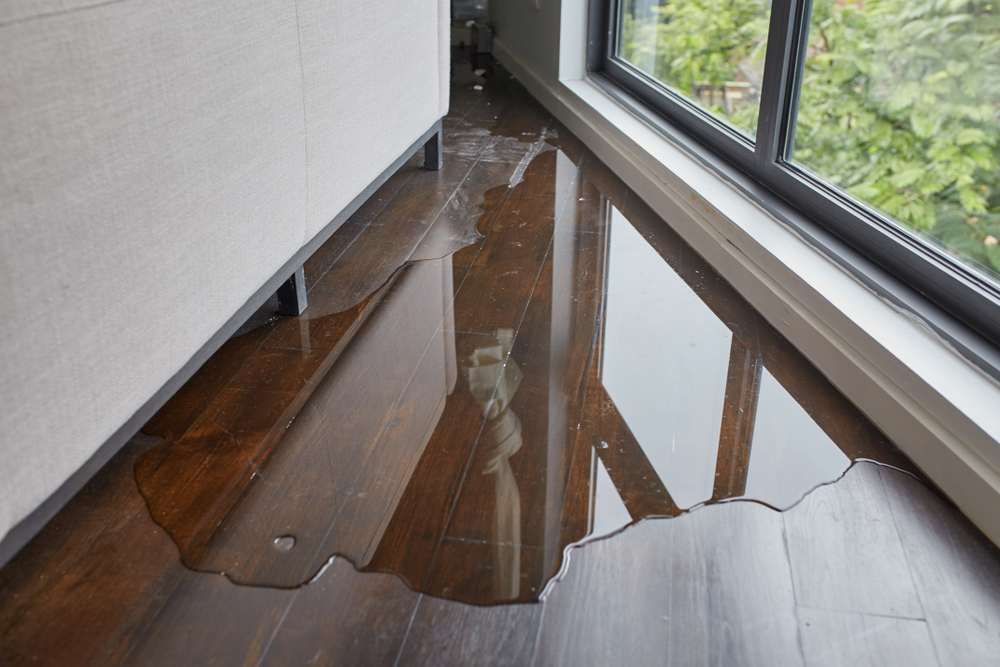
Imagine you come home in Texas to find your garage flooded and your favorite electronics ruined, or you walk outside to see your car’s window smashed. It’s a frustrating and overwhelming situation. If you’re dealing with this kind of loss, you’re likely wondering what is a property damage claim and how it can help you. In simple terms, a property damage claim is a request for compensation when your personal belongings or property are damaged or destroyed due to someone else’s actions or an accident. We know it’s not just about the broken things – it’s about the disruption to your life and the stress that follows. In this post, we’ll show empathy for what you’re going through, explain the basics of Texas property damage law, and guide you through the property damage claim process so you can recover what you’re owed and get back on your feet.
At JCE Law Group, we’re here to support you through every step—not to pressure you, but to make sure you understand your legal rights and feel confident moving forward. If you have questions, we offer a free, no-obligation consultation. Call our team today at 504-754-5884.

Texas Property Damage Law Explained (Statute of Limitations & Liability)
When it comes to Texas property damage law, there are a few key points every Texan should know. First, Texas has a strict time limit for filing a lawsuit over property damage. This time limit is called the statute of limitations, and in Texas it’s generally two years from the date the damage happened. This means if your personal property was damaged (for example, in a car accident or by someone’s negligence), you typically have two years to either settle the claim or file a lawsuit. Texas Civil Practice and Remedies Code § 16.003 explicitly says that a suit for injury to someone’s property must be brought within two years of when the cause of action accrues. Missing this deadline usually means losing your right to recover anything, so it’s crucial to act within that window.
Liability basics: Texas follows a fault-based system for property damage. This means the person or party responsible for causing the damage is liable (financially responsible) for the losses. You usually need to show that the other party was negligent (or intentionally caused harm) to hold them liable. For example, if a distracted driver crashes into your parked car, that driver (and their insurance) should pay for your car repairs. If a neighbor’s negligence (say, an improperly maintained tree) causes damage to your property, that neighbor may be liable. Texas also has a “proportionate responsibility” rule (a modified comparative fault law) – if you were partly at fault, your compensation can be reduced by your percentage of fault, and if you are 51% or more at fault, you cannot recover anything. In other words, as long as you are not mostly to blame for the damage, you can still pursue a claim for your losses.
Texas law is very practical about what you can recover in a property damage claim. Generally, you can claim the cost to repair the item, or if it’s a total loss, the fair market value (actual cash value) of the item before it was damaged. If the property is something replaceable like a gadget or furniture, you might recover the replacement cost (what it costs to buy a similar new item) if allowed, or more commonly the current value (which accounts for depreciation). What about sentimental value or emotional distress? We understand that losing items with sentimental value hurts, but Texas law unfortunately does not compensate for emotional distress or sentimental value when it’s solely a property damage case. The focus is on tangible losses – the dollars and cents. (This might feel unfair, but the courts view emotional harm as too subjective in property cases, reserving those damages for cases involving personal injuries in most instances.)
Timeline: The Property Damage Claim Process & Key Steps (H3)
To give you a clearer picture, here’s a timeline of the property damage claim process in Texas and the key steps along the way:
-
Immediately After Damage – Safety and Documentation: Your first step is safety. Make sure everyone is okay and any immediate hazards are addressed. Then, document the damage. Take photos or video of everything that was damaged. Make a list of affected items. If a crime or accident occurred, call the police or relevant authorities to get an official report (for example, a police report for a car accident or vandalism). These reports and evidence will be important when proving what happened.
-
Notify the Relevant Parties: As soon as you can, notify the person or company at fault (if known) and your insurance company (if you will be using insurance). For instance, after a car accident, you’d contact the at-fault driver’s insurer to start a claim, and possibly your own insurer too. Texas drivers are required to carry at least $25,000 in property damage liability insurance, so in many cases an at-fault driver’s insurance will cover your losses up to that amount. If the damage is from something like a neighbor’s action or a defective product, inform them or their insurer of your claim. Prompt notification is important – many insurance policies have requirements that you report damage within a reasonable time.
-
Investigation and Estimates: Next, an adjuster (from the insurance company) may investigate the claim. They might inspect the damage in person or ask for estimates. Get your own repair or replacement estimates from reputable shops or professionals. Don’t rely solely on the insurance’s numbers if they seem low. For valuable items, gather receipts or proof of purchase if you have them. The more evidence of the item’s value and the cost to fix or replace it, the stronger your claim. We often advise our clients to keep records of everything – emails, claim reference numbers, and notes of phone conversations – as this can prevent misunderstandings later.
-
Settlement Negotiations: Once the damage is evaluated, the insurance company (or the at-fault party) will usually propose a settlement – an amount of money to cover your property damage. Review this offer carefully. Does it cover all your repair bills? If your car was totaled, are they offering a fair market value? In Texas, you’re entitled to recover the full amount of your property loss within legal bounds, so don’t be afraid to push back or negotiate if the offer seems insufficient. This stage may involve back-and-forth discussions. If you have receipts for recent upgrades (say, custom stereo in a car or high-end modifications), provide them to justify a higher payout. Remember, the initial offer is not always the final offer.
-
Legal Action (if needed): If negotiations stall or the insurer denies a valid claim, you may need to escalate. This could mean hiring an attorney and potentially filing a lawsuit. In Texas, as mentioned, you have 2 years to file a property damage lawsuit, so keep that deadline in mind. Lawsuits are typically a last resort due to time and costs, but sometimes they’re necessary to get fair compensation. For smaller claims (under a certain dollar amount), you might use Justice Court (small claims court) which handles cases up to $20,000 in value in Texas – this is a simpler, faster process that you can often handle without a lawyer. For larger or more complicated losses, filing in a county or district court with the help of an attorney may be appropriate.
-
Resolution and Payment: If all goes well, your claim will be resolved either by a settlement agreement or a court judgment. Most property damage claims are settled out of court through insurance payouts. Once you agree on an amount, the liable party or their insurer will pay you. In an insurance claim, be aware you might need to sign a release (agreeing not to pursue further claims for that incident). Before you sign anything, ensure the payment truly covers your costs or the agreement is reviewed by your lawyer if you have one. After resolution, you can move forward with repairing or replacing your property, using those funds.
Throughout this process, Texas law provides some protections. For example, if you’re using your own insurance, the Texas Insurance Code requires insurers to handle your claim promptly and in good faith (unreasonably delaying or denying claims can lead to penalties for the insurer). It’s also good to know that evidence is key – the more you can prove what happened and what you lost, the smoother your claim should go.
Common Resolutions and Your Recovery Options (Resolution Section)
After the dust settles, what resolution can you expect for a personal property damage claim in Texas? Commonly, these claims are resolved in one of three ways:
-
Insurance Settlement: This is by far the most common outcome. The at-fault party’s insurance (or your own insurance, depending on the situation) pays an agreed-upon amount to cover the damage. For example, if another driver totaled your vehicle, their insurer might cut you a check for the car’s market value (or your insurer might pay if you have collision coverage and then subrogate). Most Texas property damage claims end with a settlement that covers repairs or a cash-out for the value of the lost item.
-
Direct Payment or Repair: In some cases, the person who caused the damage might pay out-of-pocket for the repairs or replacement. This might happen in neighborly situations – say your friend accidentally breaks your expensive camera and agrees to buy you a new one. As long as you’re made whole, this is a valid resolution (though it’s wise to document the agreement in writing).
-
Lawsuit & Judgment: If no agreement can be reached, you have the right to file a lawsuit seeking monetary damages. If the case goes all the way to court and you win, the court can award you a judgment for the amount of your losses. The judgment is legally binding, and the defendant must pay (or you can take legal steps to collect). Lawsuits can also include court costs and, in certain instances, attorneys’ fees. Texas generally doesn’t cap compensatory damages for property damage – the goal is to cover the actual loss amount. That said, recovering more than the value of the property is rare. You can’t, for example, get extra money just for the stress or inconvenience (as we noted, non-economic damages like pain and suffering are not available for pure property damage cases). However, if the damage was caused by willful or malicious conduct, you might ask for exemplary (punitive) damages, which are additional sums meant to punish egregious behavior. Texas law limits punitive damages in most cases, but it’s something to discuss with an attorney if intentional harm is involved (e.g. someone vandalized your property maliciously).
In all scenarios, know your rights. You have a right to seek full compensation for the loss of your personal property, including related expenses. This can include things like loss of use: if you couldn’t use your property while it was being repaired, you might claim the cost of a rental or alternative (for instance, rental car costs while your car was in the shop). It also includes any other out-of-pocket costs directly resulting from the damage (maybe you had to buy temporary replacements, or you lost income because a tool you need for work was damaged – those are real losses to claim). Always keep receipts for these costs and include them in your claim.
Why Choose JCE Law Group for a Property Damage Claim? (H3)
Dealing with insurance adjusters, repair estimates, and Texas statutes can be stressful – and that’s where JCE Law Group comes in. We’re a Texas-based firm that understands personal property damage isn’t just about dollars; it’s about helping you reclaim a sense of normalcy. Why are we a great choice? For starters, our attorneys have extensive experience assisting Texans with property damage claims of all kinds – from wrecked cars to prized personal belongings. We pride ourselves on personalized service: we listen to your story, help gather the right evidence, and develop a legal strategy aimed at maximizing your recovery. Our team knows the Texas laws and insurance tactics inside out, and we aren’t afraid to stand up to insurance companies that try to minimize what you’re owed. At JCE Law Group, we treat our clients like family – with compassion and dedication. Our goal is to shoulder the legal burden for you, whether that means skillful negotiation or aggressive litigation. In short, we fight for your rights and peace of mind so you can focus on moving forward after a property loss.
Common Causes of Personal Property Damage in Texas
Texas is a big state with big hazards – and personal property damage can happen in a variety of ways here. Understanding the common causes can help you be prepared and may even support your claim by identifying who’s responsible. Here are some of the most common causes of personal property damage in Texas:
-
Car Accidents: With our busy highways from Houston to Dallas, car crashes are an everyday occurrence. Many accidents thankfully involve only property damage (vehicles, and sometimes items inside like phones or cargo). If someone hits your car or truck, you’ll likely file what is a property damage claim for the vehicle repair costs, and possibly other items damaged in the crash. The at-fault driver’s insurance should cover up to their policy limits (remember the minimum $25,000 property damage coverage in Texas), and if that’s not enough or they’re uninsured, you might turn to your own policy’s uninsured motorist coverage or sue the driver personally.
-
Severe Weather (Wind, Hail, Hurricanes): Texas weather is legendary and often unforgiving. Hailstorms in North Texas can shatter windshields and dent cars in a matter of minutes. In fact, hail and wind are among the leading causes of property damage claims nationwide, and Texas sees more than its fair share of these storms. On the Gulf Coast, hurricanes and flooding can destroy personal belongings (from furniture and appliances to cars). If your property is damaged by a natural event, your claim might be against your own insurance policy (like homeowners or comprehensive auto insurance). We’ve seen countless cases of Texans filing claims after hail storms pummel their roofs or a hurricane floods their first floor. The key in these cases is to promptly notify your insurer and mitigate damages (e.g. drying out what you can, boarding up broken windows) to the extent it’s safe – your policy likely requires it.
-
Fire and Water Damage: Whether it’s a kitchen fire or a burst pipe, accidents at home can ruin personal property. In Texas heat, electrical fires or lightning strikes can also occur. If the fire or flood was caused by someone else’s negligence (for instance, a contractor’s faulty wiring or a neighbor’s fire that spread to your property), you could have a claim against that person or their insurance. Otherwise, you’d use your own homeowner’s or renter’s insurance. The emotional impact of losing personal items in a fire or flood is huge – family photo albums, cherished gifts – but again, the claim will be about the monetary value of those items. It’s tough, but one thing we do at JCE Law Group is help clients itemize and put a value on everything lost, so you don’t overlook items when seeking compensation.
-
Vandalism and Theft: Unfortunately, deliberate acts like vandalism (broken windows, slashed tires, graffiti damage) and theft can result in property damage. In such cases, you should file a police report immediately. If the culprit is caught, they can be held liable (and criminal restitution might be ordered). From a civil claim perspective, you might claim under your own insurance (many home and auto policies cover vandalism and theft). If the offender has assets or if it was, say, a business that was negligent (e.g. a security company’s failure led to vandalism), there could be a third-party claim. We often explain to clients that while you can’t get paid for the anger or sadness a vandal causes, you can pursue full payment for repairs and replacement of what was damaged.
-
Neighbor and Household Incidents: Some property damage claims arise from everyday life mishaps – a neighbor’s tree falls on your shed, a friend’s dog chews up your expensive camera, or a contractor drops a tool that cracks your marble countertop. In these situations, the person at fault (or their liability insurance, if applicable) should cover the damage. In Texas, for example, if a tree on someone else’s property falls due to their neglect (it was clearly dead or improperly cut), they may be liable for your damages. On the other hand, if a tornado blew a healthy tree over, that’s usually considered an “Act of God” and you’d use your own insurance. The cause matters for liability. The good news is that many people have some form of liability coverage (homeowners insurance includes coverage if the homeowner’s negligence causes damage to others’ property). It might feel awkward to make a claim against a neighbor or friend, but remember that’s why insurance exists – and you deserve to be made whole.
Each cause of damage might involve a slightly different property damage claim process, but the fundamental principle is the same: identify the responsible party and source of coverage, and pursue compensation for the loss. As Texans, we face unique challenges (from golf ball-sized hail to flash floods), but being aware of these common scenarios can help you respond quickly and effectively if it happens to you.
The Emotional Impact vs. Legal Reality
Dealing with property damage isn’t just a financial matter – it’s emotional too. We understand that. Maybe an heirloom piece of jewelry was destroyed, or your child’s irreplaceable artwork collection got ruined in a flood. These situations hurt on a personal level. At JCE Law Group, we acknowledge the emotional toll such losses can take. We often hear clients say it feels like a punch in the gut to see cherished belongings damaged.
However, it’s important to separate the emotional impact from the legal reality when pursuing a claim. Under Texas law (and virtually all states), compensation for property damage focuses on measurable economic loss, not the sentimental or emotional value. The court won’t award money for your sadness or stress over the incident – they’ll award the cost to repair or replace the item. This can be frustrating, because we know some things are simply irreplaceable. Texas courts have consistently held that if the only injury is to property, mental anguish or emotional distress damages are not recoverable. In practice, that means no matter how much grief the loss of a family photo album causes, the law will only let you recover (at most) the cost of the photo prints or album book itself.
So, what can you do? One approach we take is to document the personal importance of items when dealing with insurance adjusters (who are human, after all). While they can’t write you a check for sentimental value, a detailed explanation of an item’s importance might encourage a more sympathetic valuation within the allowed measures (for example, maybe they’ll lean toward a higher replacement value if it’s on the line). Also, focusing on getting every dollar of economic damage covered can at least free you from financial worry, so you can concentrate on recovering emotionally. Some clients find solace in using compensation to restore normalcy – like replacing a damaged item with something that, while new, still honors the memory (e.g., buying a new guitar and dedicating your first song to the old one that was lost).
Lastly, if the emotional distress is coupled with some other legal harm (for instance, a physical injury or an intentional harm), then it might be compensable as part of that broader case. But for a standalone property damage claim, it’s about dollars and cents. We empathize deeply – we know it’s not “just stuff” – but our job is to help you get the maximum financial recovery you’re entitled to, and we take that mission seriously. We find that getting a fair payout and justice can at least provide closure, even if it doesn’t replace everything you lost.
Tips for Dealing with Insurance Adjusters (and Avoiding Pitfalls)
For many property damage claims, you’ll be working with an insurance company – either your own or the other party’s. This can be a tricky part of the process, so here are some practical tips to help you handle the insurance side and keep your claim on track:
-
File Your Claim Promptly: Whether it’s your insurer or the other party’s, notify them as soon as possible. Most policies have a requirement that you report claims “promptly” or within a certain time. Prompt reporting also gets the ball rolling faster on inspections and repairs. If you wait too long, the insurer might question whether something else caused the damage or argue you didn’t mitigate the damage.
-
Be Careful with Initial Statements: When speaking with an adjuster, stick to the facts. It’s okay to say “I don’t know” if you’re unsure of something. Avoid speculating or downplaying what happened. In our experience, even a seemingly harmless comment like “Oh, maybe I could have been more careful” might be twisted later as an admission of fault. Be polite and cooperative, but remember the adjuster’s job is often to save the insurance company money. You can refer them to evidence (photos, reports) rather than giving long narratives off the cuff.
-
Document Everything: Keep a claim diary. Note the date and time of every phone call, the name of the person you spoke with, and a brief summary of what was said. Save all emails and letters. If an adjuster inspects the damage, it’s a good idea to be there during the inspection if possible (or have your contractor present). That way, you can point out all the damage and make sure nothing is missed. After any inspection or conversation, follow up with a short email confirming what was discussed (this creates a paper trail).
-
Get Independent Estimates: Don’t rely solely on the insurance company’s repair estimate, especially if it seems low. Get a quote from a repair shop or expert of your choosing. If your car is damaged, for example, take it to a trusted mechanic or body shop for an estimate. For home or personal property, consider having a contractor or appraiser assess the damage. Independent estimates give you leverage to challenge a low offer – you can show the adjuster, “Actually, fixing this properly will cost X dollars, not what your estimate says.”
-
Don’t Settle Too Quickly: It might be tempting to take the first check and put the whole thing behind you. But early offers can be low-ball offers. Make sure you’ve discovered the full extent of the damage. Sometimes additional damage is found later (for instance, after a car accident, you might later realize your expensive sound system was also damaged, or after water damage, you find more items ruined). Once you sign a settlement and release, you typically can’t ask for more. So, ensure the settlement covers all your losses – not just obvious ones. If in doubt, consult with a legal professional before signing off.
-
Know Your Policy (If It’s Your Insurance): If you’re dealing with your own insurer (like a homeowner’s or auto policy), read through your policy’s section on property damage coverage. Know your deductible (the amount that will be out of pocket) and whether you have replacement cost coverage or actual cash value. Texas policies sometimes have separate deductibles for things like wind/hail. Also, be aware of the Texas Prompt Payment of Claims rules: insurance companies generally must acknowledge your claim, investigate, and make a decision within set time frames. While you might not need to cite the Insurance Code to them, knowing that they have deadlines (usually 15 business days to respond, etc.) can give you confidence to politely enforce your rights if they drag their feet.
-
Don’t Be Afraid to Appeal or Ask for a Supervisor: If an adjuster denies your claim or offers an amount that doesn’t come close to covering your loss, you can escalate the issue. Every insurance company has supervisors and sometimes an internal appeals process. You can submit a written dispute of the settlement offer, providing your evidence why it’s inadequate. Sometimes, simply involving a higher-up or mentioning that you’re considering legal advice can result in a more fair review of your claim.
-
Consider Legal Help if Things Go South: If you hit a wall – say the insurer outright denies a valid claim or significantly undervalues your property – it might be time to talk to a lawyer. Texas law protects consumers from bad faith insurance practices (when insurers act dishonestly or unreasonably). We have helped clients in situations where an insurance company was not treating them fairly. A letter from an attorney alone can often encourage an insurer to offer a better settlement. And if not, you may have grounds for a lawsuit not just for the property damage, but also for the insurer’s bad faith conduct.
By following these tips, you’ll be better equipped to handle the insurance aspect of a property damage claim. The main idea is to be proactive and informed. At JCE Law Group, we routinely guide our clients through these steps – we even handle all communications with the insurance company when we’re on the case, so our clients don’t have to deal with adjusters at all. Whether you’re doing it on your own or with an attorney’s help, a calm, organized approach can make the property damage claim process much smoother and increase your chances of a full and fair recovery.
Maximizing Your Property Damage Recovery
After a loss, everyone’s goal is to get the maximum recovery allowed – essentially, to not leave money on the table that could help you replace what was lost. Here are some important considerations for maximizing the compensation you receive under Texas law:
-
Claim Every Eligible Damage: This means thinking beyond just the obvious repair bill. Did you have to rent equipment or a vehicle because yours was damaged? Did the damage cause you to miss work or lose income (for example, your work laptop was destroyed, delaying a project)? These consequential losses can often be claimed. Texas allows recovery of losses that are a direct result of the property damage. We encourage clients to brainstorm all the ripple effects of the incident. It’s better to include it and let the process determine if it’s payable than to forget to claim it at all.
-
Understand Value Measures: As mentioned, there are a few ways property can be valued. Actual cash value (ACV) is essentially the item’s worth considering depreciation (age and wear). Replacement cost is what it costs to buy a new one at today’s price (some insurance policies only pay ACV until you actually replace the item, then they reimburse the rest up to replacement cost). Repair cost is straightforward if the item can be fixed. To maximize recovery, use the measure that applies most favorably. For instance, if you have a fairly new item, ACV and replacement cost might be similar – push for replacement cost. If an older item is totally destroyed but it’s something that appreciates or holds value (like an antique), make sure it’s appraised properly rather than letting an insurer say it’s “old and worthless.” Providing documentation like purchase receipts, photos when the item was in good condition, or appraisals can help you get the higher end of the value range.
-
Mitigate Further Damage: This might sound counterintuitive when we talk about maximizing recovery (you’re not trying to rack up more damage, after all!). But under Texas law, claimants have a duty to mitigate damages – meaning you should take reasonable steps to prevent additional loss after the incident. For example, if your roof is damaged by a storm, you should tarp it to prevent subsequent rain from soaking your belongings. If you fail to do so, an insurer might refuse to pay for the later water damage on top of the initial damage. By mitigating, you preserve the full value of your claim and avoid giving the payer an excuse to reduce what they pay.
-
Small Claims vs. Full Lawsuit: For property damage amounts within $20,000, Texas Justice Courts (small claims) offer a relatively quick route. One way to maximize your net recovery in smaller cases is to use small claims court because it’s cost-effective (low filing fees, and you typically don’t need a lawyer). You could get a judgment for the full amount of your damages without the higher costs of a big lawsuit. On the other hand, if your damages are substantial – say your house full of personal property suffered $50,000 in loss – you’ll likely file in a higher court. Just know that the avenue you choose can affect how much of the recovered money you actually keep (due to costs and fees). We can advise on the best forum for your claim.
-
Watch Out for Damage Caps or Limits: While Texas doesn’t cap actual compensatory damages in ordinary property damage cases, there are some limits to be aware of. If you’re claiming against a government entity (like a city or state agency), the Texas Tort Claims Act limits how much you can recover and requires a special notice within 6 months in many cases. Also, as noted, punitive damages (for egregious conduct) are capped by law (generally, capped at twice the economic damages plus some, by Tex. Civ. Prac. & Rem. Code § 41.008). These may not come into play often, but it’s good to have a realistic view. Maximizing recovery often means aiming for full compensatory damages – getting paid for every item and every dollar you lost – since that’s usually the bulk of what’s recoverable.
-
Consider Professional Help for Large or Complex Claims: If you’ve got a high-dollar claim or multiple parties involved (maybe a fire in your condo unit damaged several neighbors’ properties too), an experienced attorney or even a public insurance adjuster can help maximize the outcome. We’ve handled cases where understanding a little-known statute or a coverage quirk made a difference of thousands of dollars. For example, Texas has consumer protection laws like the Deceptive Trade Practices Act (DTPA) that, in some circumstances, allow extra damages or attorneys’ fees if a business’s wrongdoing led to your property damage. These are complex avenues, but they can increase recovery when applicable. While we avoid legal jargon in this guide, behind the scenes we leverage all available Texas laws to get you the best result.
In summary, maximizing your recovery comes down to being thorough and strategic. Don’t sell yourself short – claim what you’re entitled to, back it up with evidence, and be prepared to negotiate or litigate if needed. We take pride in helping Texans get every bit of compensation they deserve, because we know how important that is when you’re trying to rebuild or replace your personal property.
FAQ: Texas Personal Property Damage Claims
Q: What is a property damage claim?
A: A property damage claim is a request for compensation when your property is harmed, destroyed, or lost due to someone else’s action or a covered event. In other words, it’s how you ask to be paid back for damage to your personal belongings or assets. This can be done through an insurance claim or by filing a lawsuit. For example, if a neighbor’s barbecue fire damages your fence, you would file a property damage claim to get money for the repairs. It’s focused solely on property (things), as opposed to personal injury (which involves physical harm to a person).
Q: How long do I have to file a property damage claim in Texas?
A: Generally, you have two years to file a lawsuit for property damage in Texas. This two-year statute of limitations is counted from the date the damage occurred (or was discovered, in some cases). For instance, if your personal property was damaged on January 1, 2025, you would have until January 1, 2027 to file a court case. Keep in mind, if you’re going through insurance, you should notify the insurance company much sooner – waiting years could violate policy terms. Also, special situations have different rules: claims against a city or state agency often require notice within 6 months, and some insurance policies might contractually shorten the time to sue (though they must comply with law). To be safe, act promptly and consult an attorney if you’re nearing a deadline. But as a baseline, two years is the legal window for most property damage lawsuits per Tex. Civ. Prac. & Rem. Code § 16.003.
Q: What compensation can I get for personal property damage?
A: You can recover the economic value of your losses. Typically, this includes one or more of the following: repair costs, replacement costs, or the actual cash value of the item (market value at the time of damage). For example, if your laptop is destroyed, you could claim the cost to buy a new equivalent laptop. If your car is damaged, you can claim the body shop repair bill; if it’s totaled, you’d claim the car’s market value. In addition, you may claim related expenses caused by the loss: rental fees (while your item is being repaired), towing charges, storage fees, or even lost income (if, say, tools you need for work were damaged, preventing you from working). What you cannot get is money for purely emotional losses – Texas law doesn’t allow recovery for pain, suffering, or sentimental value stemming from property damage alone. So, the goal is to make you financially whole, as if the damage never happened, but not to compensate for emotional distress.
Q: What if I was partly at fault for the property damage?
A: Texas uses a modified comparative fault rule (also called the “51% bar rule”). You can still recover damages as long as you were not more than 50% at fault for the incident. However, your compensation will be reduced by your percentage of fault. For example, suppose a friend and you both accidentally caused a small fire that damaged your property, and you’re found 25% at fault and your friend 75% at fault. In that case, you could claim against your friend for 75% of the damages. If you were 51% or more to blame, then under Texas law, you’d be barred from recovering anything from the other party. This rule encourages people to pursue claims only when others are mostly at fault. In practice, insurance adjusters and courts will assess the evidence to assign fault percentages. If there’s a dispute, having an attorney can help protect you from being unfairly saddled with too much blame.
Q: Do I need a lawyer for a property damage claim, or can I handle it myself?
A: It depends on the situation. For minor property damage claims, especially those under a few thousand dollars, many people handle them on their own through insurance or small claims court. It might not be cost-effective to hire a lawyer if, for example, your $500 phone was damaged – the process is usually straightforward and the stakes are relatively low. In fact, some lawyers may not take a small standalone property case because the legal fees could end up higher than your recovery. However, you should consider consulting a lawyer if the claim is high-value, complicated, or if the insurance company is giving you trouble. Situations that often warrant a lawyer’s help include: the damage is extensive (tens of thousands of dollars), the incident is tied to another legal issue (like you also suffered injuries or the property damage resulted from a complex scenario like a defective product or multiple parties), or there are signs of insurer bad faith (unjustified denial or delays). A lawyer can negotiate on your behalf and ensure you don’t overlook any compensation. At JCE Law Group, we offer free initial consultations, so it doesn’t hurt to ask us if we think a lawyer is needed. Our rule of thumb: if you feel overwhelmed or unsure about your rights – or if you just want peace of mind – talking to an attorney can be very helpful.
Conclusion – Your Next Step (Call to Action)
Property damage can throw your life off balance, but you don’t have to go through the claim process alone. JCE Law Group is here to help Texas residents protect their rights and recover the full value of what they’ve lost. If you’re facing an uphill battle with an insurance company or unsure about your legal options, let our experienced and caring team step in. We’ll answer your questions, guide you through each step, and fight for the compensation you deserve. Don’t let confusion or stress delay your recovery – reach out to JCE Law Group today for support, and let us help you put the pieces back together.
At JCE Law Group, we’re here to support you through every step—not to pressure you, but to make sure you understand your legal rights and feel confident moving forward. If you have questions, we offer a free, no-obligation consultation. Call our team today at 504-754-5884.
